Key takeaways
- Bagasse is a by-product of sugar and juice production: the fiber that remains after sugarcane is crushed.
- Molded bagasse holds hot, wet and greasy food and is microwave-safe without its plastic lid.
- Grease resistance should come from the fiber density or non-fluorinated additives; ask for a PFAS declaration, because several state PFAS laws ban intentionally added PFAS in food packaging.
- Only claim "compostable" for certified items and qualify the claim where composting facilities are not widely available, per the FTC Green Guides.
- Direct Eco Green manufactures bagasse plates, trays and bowls with a 10,000-piece MOQ, custom sizes with a new mold and samples before production.
What bagasse is and where it comes from
Bagasse is the fibrous material that remains after sugarcane stalks are crushed to extract their juice. It is a by-product of sugar and juice production, so packaging made from it uses a residue rather than a crop grown for the purpose.
The fiber has several uses. Sugar mills often burn part of it for energy, and part can be processed into pulp. For packaging, that pulp is the raw material: the same type of short plant fiber used in other molded-fiber products, but sourced from sugarcane instead of wood.
In marketing language, bagasse is often called "sugarcane fiber," "sugarcane pulp" or "molded fiber." On a specification sheet, look for the material described as molded sugarcane bagasse, and check whether any lid or film is a different material.
How bagasse packaging is made
Direct Eco Green's molded-fiber partner factories make bagasse packaging by turning the fiber into a wet pulp, molding it in heated tools under pressure, and drying it into a rigid shape. The mold defines the product, which is why each new size or shape requires a new mold.
- Pulping: the bagasse fiber is processed into a pulp with water.
- Forming: the pulp is drawn onto a mold in the shape of the plate, bowl or clamshell.
- Hot pressing: heat and pressure press out water and set the shape and surface.
- Trimming and inspection: edges are trimmed and pieces are checked and packed.
Grease and water resistance can come from the density of the molded fiber itself and, depending on the product, from additives. This is where PFAS questions start, as explained below. Because tooling is a fixed cost, molded-fiber products usually have higher minimums than simple printed paper items; see packaging MOQs explained.
How bagasse performs with hot, greasy and wet food
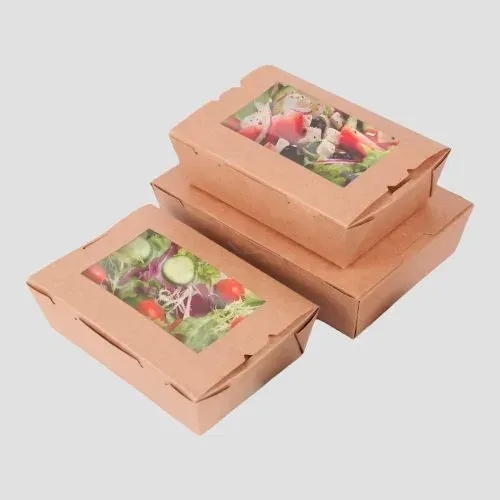
Molded bagasse is rigid, handles hot and greasy food, and can go in the microwave without its plastic lid. It is a common replacement for foam and plastic plates and clamshells in takeout and catering.
| Material | Hot and greasy food | Microwave | End of life (US / Canada) |
|---|---|---|---|
| Molded bagasse | Good; fiber density resists grease | Yes, without plastic lid | Commercially compostable where accepted, if certified |
| PLA-lined kraft paperboard | Good with the PLA barrier | Check the specification | Not curbside recyclable in most US programs; compostable only if certified and accepted |
| PE-coated paperboard | Good with the PE barrier | Check the specification | Accepted in some recycling programs; check locally |
| Expanded polystyrene foam | Good | Check the specification | Banned for food containers in several states and many US cities; banned foodservice ware in Canada |
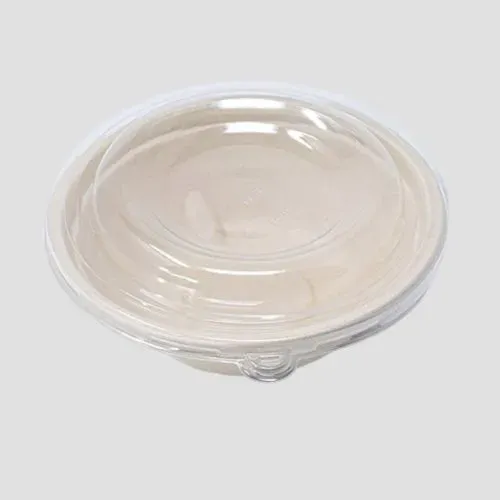
Practical points for buyers: bagasse absorbs some moisture, so very liquid dishes held for a long time need a test with your own menu. Clear lids for display are usually PET, which is a separate plastic component with its own disposal route. Always test samples with your hottest, oiliest and wettest items before ordering.
PFAS-free bagasse and state PFAS laws
Bagasse can be made PFAS-free: the grease barrier comes from the molded fiber itself or from non-fluorinated additives, not from fluorinated treatments. Because molded fiber historically relied on PFAS in some products, buyers should ask for the factory's PFAS declaration and a test report.
Intentionally added PFAS are banned in food packaging by state laws in New York (Dec 31, 2022), California (Jan 1, 2023), Washington (phased from Feb 2023 and May 2024), Vermont (Jul 1, 2023), Colorado, Connecticut, Maryland and Minnesota (Jan 1, 2024), Rhode Island (Jul 1, 2024) and Hawaii (Dec 31, 2024). In February 2024, the US FDA announced that grease-proofing substances containing PFAS are no longer being sold for food-contact use in the US, and federal authorizations do not override state bans.
BPI has prohibited intentionally added fluorinated chemicals since January 1, 2020: certified products need a BPI-approved lab test showing 100 ppm total organic fluorine or less, plus a no-intentional-addition statement. For the full state list, see PFAS in food packaging: state-by-state bans.
Is bagasse compostable? What you can claim
Bagasse is commercially compostable where industrial composting facilities accept it, and products certified to ASTM D6400 through BPI can carry a compostable claim. Composting access varies by city, and many facilities do not accept packaging, so the claim must be qualified.
- Certification: in the US, compostability is typically documented by certification to ASTM D6400 (compostable plastics) or ASTM D6868 (compostable coatings on paper or fiber) through BPI; in Canada, CAN/BNQ 0017-088.
- FTC Green Guides: a "compostable" claim must be substantiated and qualified where composting facilities are not available to a substantial majority of consumers. Avoid unqualified "biodegradable" claims, which require proof of complete decomposition within a short time after customary disposal and are generally not met in landfills.
- California: under AB 1201, products labeled "compostable" must meet ASTM-based testing; CalRecycle delayed the USDA National Organic Program requirement to June 30, 2027.
- Recycling: food-soiled bagasse is generally not accepted in paper recycling.
More on wording in recyclable vs compostable claims.
Bagasse and Canada's Single-use Plastics Prohibition Regulations
Bagasse plates, bowls and containers are outside Canada's Single-use Plastics Prohibition Regulations (SOR/2022-138), which target foodservice ware made from or containing problematic plastics: expanded or extruded polystyrene foam, PVC, oxo-degradable plastic and black plastic made with carbon black.
Manufacture and import of the banned items have been prohibited since December 20, 2022, and their sale since December 20, 2023. On January 30, 2026, the Federal Court of Appeal upheld the "toxic" listing of plastic manufactured items, so the rules stay in force. Fiber, wood, bamboo and bagasse alternatives are not covered by the ban, which makes bagasse a straightforward replacement for foam clamshells in Canada.
Bagasse packaging from Direct Eco Green
Direct Eco Green manufactures molded bagasse packaging through audited partner factories, with on-site quality control in Vietnam and samples before mass production. Bagasse plates, trays and bowls have an MOQ of 10,000 pieces per reference.
| Product family | Formats | MOQ |
|---|---|---|
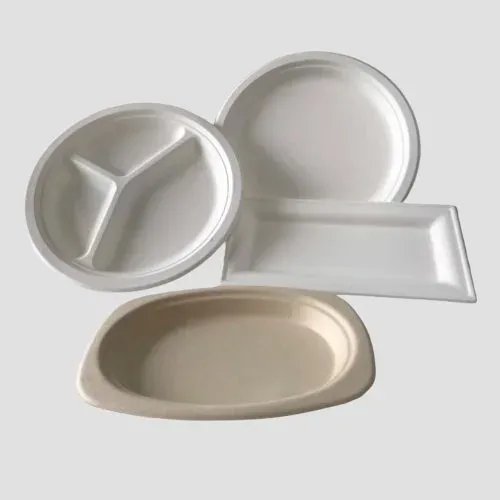
| Bagasse plates and trays | Round and oval plates, trays, sushi and produce trays, about 5 to 12.5 in | 10,000 pcs |
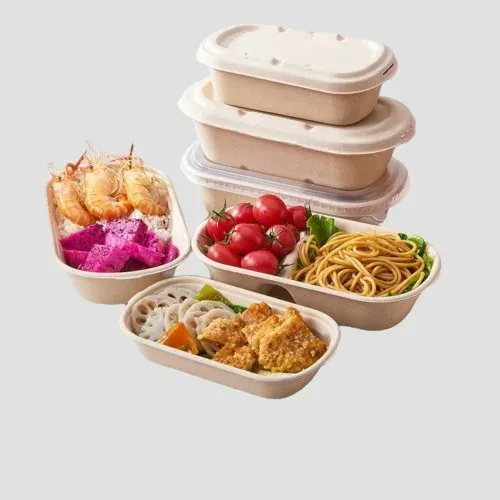
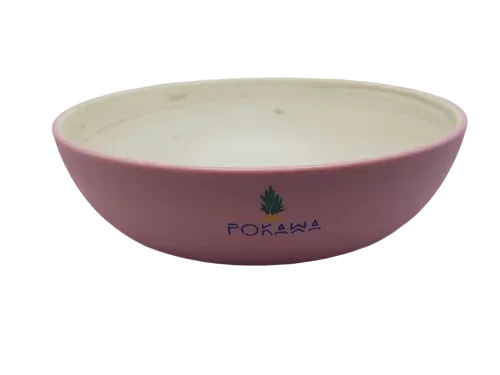
| Bagasse bowls and containers | Round and square bowls, lunch boxes, 1 to 3 compartments, 240 to 1,500 ml | 10,000 pcs |
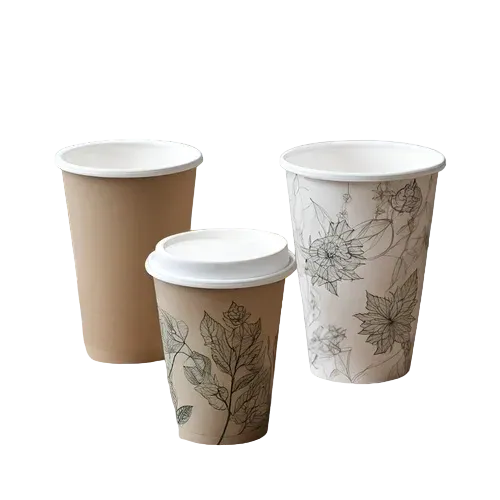
| Bagasse cups and sauce pots | Cups 8 and 12 fl oz, sauce pots 4 fl oz | Stated in your quote |
Custom sizes can be produced with a new mold, and optional PET lids are available on several references. Tell us which certification your market requires and we confirm, before you order, which factory reference can document it. Send your formats and volumes through the contact form for a tailored quote within 48 hours.
Frequently asked questions
What is bagasse made of?
Bagasse is made of the fibrous residue left after sugarcane is crushed to extract its juice. For packaging, the fiber is pulped and molded under heat and pressure into plates, bowls, clamshells and trays.
Is bagasse packaging microwave-safe?
Molded bagasse packaging is microwave-safe without its plastic lid. PET lids used on some bagasse containers are a separate plastic component and should be removed before heating. Test samples with your own menu before ordering.
Is bagasse packaging PFAS-free?
Bagasse packaging can be PFAS-free when the grease resistance comes from the fiber density or from non-fluorinated additives. Because some molded-fiber products historically used PFAS, ask the manufacturer for a PFAS declaration and a total organic fluorine test report before ordering for states with PFAS laws.
Can I say bagasse packaging is compostable?
You can call bagasse packaging compostable if the specific product is certified, typically to ASTM D6400 through BPI in the US or CAN/BNQ 0017-088 in Canada, and you qualify the claim where composting facilities are not available to most consumers. Avoid unqualified "biodegradable" claims under the FTC Green Guides.
Is bagasse allowed under Canada's single-use plastics ban?
Yes. Bagasse plates, bowls and containers are outside Canada's Single-use Plastics Prohibition Regulations, which ban foodservice ware made from expanded polystyrene, PVC, oxo-degradable plastic and carbon-black plastic. The rules remain in force after the January 30, 2026 Federal Court of Appeal decision.
What is the minimum order for bagasse packaging from Direct Eco Green?
Direct Eco Green bagasse plates, trays and bowls have an MOQ of 10,000 pieces per reference. For bagasse cups and sauce pots, the MOQ depends on size and options and is stated in the quote, which is sent within 48 hours.
Sources
- PFAS in food packaging: state compliance guide
- FDA: PFAS used as grease-proofing agents in food packaging no longer being sold in the US
- BPI: Fluorinated chemicals policy for certified compostable products
- FTC: Environmental claims, summary of the Green Guides
- Blakes: Federal Court of Appeal upholds order designating plastics as toxic substances