Key takeaways
- Food Code 3-301.11 prohibits bare-hand contact with ready-to-eat food; gloves are one of the accepted barriers, alongside utensils and deli tissue.
- Food Code 3-304.15 requires single-use gloves to be used for one task and discarded when damaged, soiled or when the task changes; hands are washed before putting on new gloves.
- Several states, including Illinois, California, Oregon and Arizona, ban latex gloves in food service.
- Direct Eco Green, a factory-direct supplier of eco-friendly packaging and food-service PPE, offers powder-free nitrile, PEVA and vinyl gloves in bulk and private-label boxes.
What the Food Code requires
Glove rules in US restaurants come from the FDA Food Code, adopted by states and counties in their own editions. Three provisions matter for purchasing:
- No bare-hand contact with ready-to-eat food (3-301.11): staff must use a barrier such as gloves, utensils or deli tissue when handling food that will not be cooked further.
- Single-use gloves for one task (3-304.15): gloves are used for only one task, discarded when damaged or soiled, and changed between raw and ready-to-eat food or when an interruption occurs. They are never washed and reused.
- Hand washing still applies: hands are washed before putting on gloves and when changing to a new pair. Gloves add to hand washing; they do not replace it.
Because gloves are changed often, a busy kitchen goes through thousands of pairs a week. That is why material, fit and price per pair matter as much as protection.
Glove materials compared
| Material | Strengths | Limits | Best for |
|---|---|---|---|
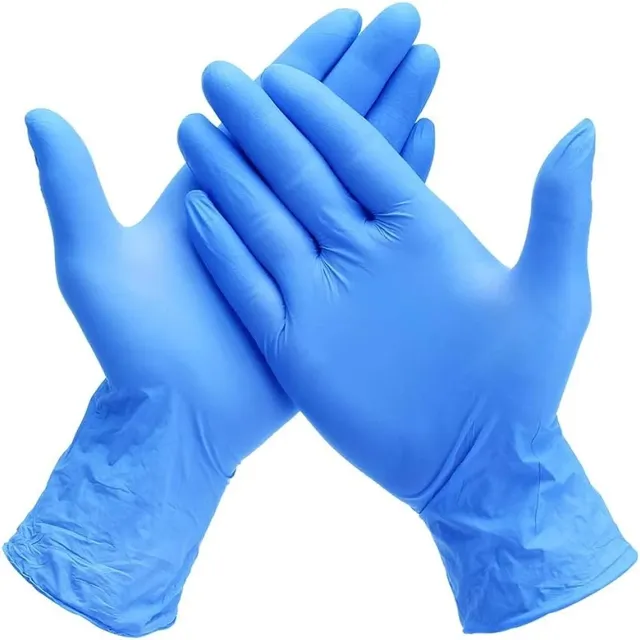
| Nitrile (powder-free) | Latex-free synthetic rubber; strong, puncture-resistant, good with fats and oils; snug fit | Higher price per pair than vinyl | Meat, fish, greasy and acidic foods, long tasks, mixed kitchen and cleaning use |
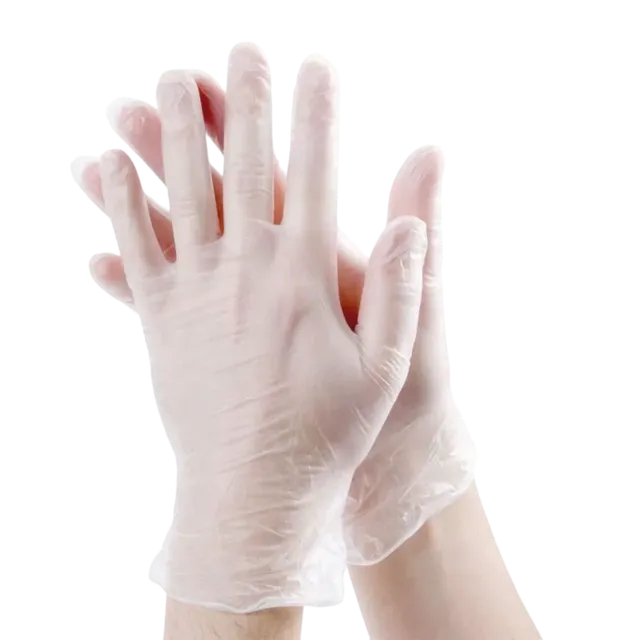
| Vinyl / PVC (powder-free) | Low cost, soft, latex-free, easy on and off | Looser fit, tears more easily; contains plasticizers; not for long contact with fatty foods | Short, frequent, low-fat tasks: sandwiches, salads, counter service |
| PEVA | Chlorine-free vinyl alternative; soft, light, latex-free | Thin film; less durable than nitrile | Light prep and serving where a vinyl replacement is wanted |
| Polyethylene (PE) | Cheapest; quick to change | Very loose fit, low dexterity | Very short tasks such as handing out food or self-service stations |
| Latex | Excellent fit and dexterity | Allergy risk; banned in food service in several states | Not recommended for food handling |
Direct Eco Green's range covers the three most requested food-service options: powder-free nitrile gloves (latex-free and phthalate-free), powder-free PEVA gloves and powder-free vinyl gloves, in sizes S to XL.
Latex: why many kitchens no longer use it
Natural rubber latex gives an excellent fit, but latex proteins can cause allergic reactions in workers and, through food, in customers. Several states have banned latex gloves in food service, including Illinois (Latex Glove Ban Act, signed in 2022), Arizona, California, Connecticut, Hawaii, Ohio, Oregon and Rhode Island, generally with narrow exceptions for supply emergencies. Even where they are allowed, most operators now standardize on latex-free gloves to remove the risk altogether.
In Canada, food premises rules are set by the provinces and generally require hand hygiene and protection of food from contamination rather than prescribing a glove material. For food-contact materials, Health Canada's Letter of No Objection program is voluntary, so Canadian buyers usually rely on the same factory food-contact documentation as US buyers.
Vinyl gloves and fatty foods
Vinyl (PVC) gloves need plasticizers to stay flexible, at levels around 30% by weight according to research summarized by the Ecology Center. Studies have found that some plasticizers, notably certain phthalates, can migrate into food that the gloves touch, especially fatty food. Japan banned the phthalate DEHP in PVC gloves used for food as early as 2000, and one study found vinyl gloves released 17 times more DEHP into a fat-simulating solvent than nitrile gloves.
The practical rules for buyers:
- Use nitrile for meat, cheese, fried and oily foods and for long tasks.
- If you buy vinyl, ask for the factory's plasticizer declaration and food-contact documentation, and follow the factory's limits: Direct Eco Green's powder-free vinyl gloves, for example, are documented for food contact but the factory advises against contact of more than 30 minutes with fatty or oily foods.
- Consider PEVA where you want a soft, low-cost glove without chlorine.
Powdered or powder-free?
Choose powder-free gloves for food handling. Powder can leave residue on food and surfaces, and many customer specifications and HACCP plans require powder-free gloves. In medicine, the FDA banned powdered surgeon's and patient examination gloves in 2016. Powdered gloves still have a place for light, short, non-food tasks where easy donning with damp hands matters, which is how Direct Eco Green positions its powdered vinyl gloves.
Buying gloves in bulk: what to specify
- Material and powder: nitrile, vinyl or PEVA; powder-free for food.
- Thickness: thicker film resists tears but reduces dexterity; ask for palm and fingertip thickness per reference.
- Sizes and mix: order a size split that matches your team; poorly fitting gloves tear and get removed.
- Color: blue gloves are easy to spot if a fragment falls into food; white suits front-of-house.
- Documents: food-contact compliance statement, plasticizer or phthalate declaration, and latex-free statement.
- Packaging: box count, cartons per pallet and private-label boxes if you resell.
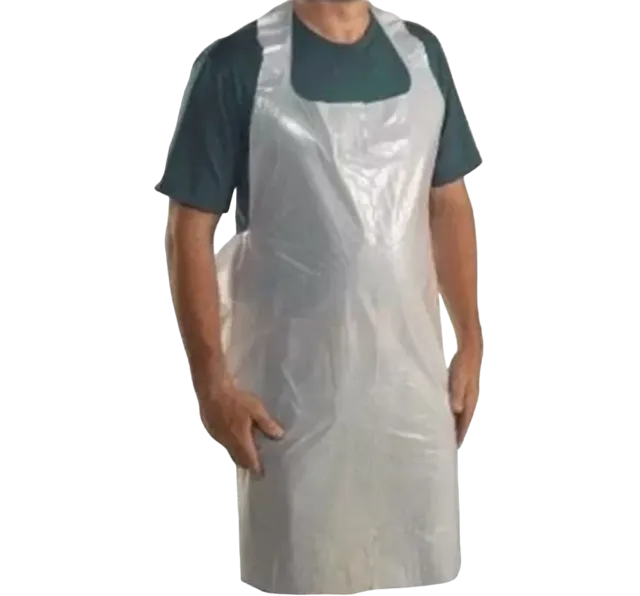
Gloves are usually part of a wider PPE order: hair nets (Food Code 2-402.11 requires hair restraints), bouffant caps, beard covers and LDPE aprons. Direct Eco Green can consolidate PPE with your food packaging in one shipment. Browse the PPE range or request a quote through the contact form; quotes are sent within 48 hours. Our 2026 restaurant checklist covers the other rules that apply to your kitchen.
Frequently asked questions
Which gloves are best for food handling?
Powder-free nitrile gloves are the best all-round choice: they are latex-free, strong, resistant to fats and oils and suitable for long tasks. Vinyl gloves are an economical option for short, low-fat tasks, and PEVA gloves are a chlorine-free alternative to vinyl for light prep.
Are vinyl gloves safe for food?
Vinyl gloves documented for food contact can be used for short tasks, but they contain plasticizers that can migrate into fatty foods. Use nitrile for meat, cheese and oily foods, ask for the factory's plasticizer declaration, and follow its limits on contact time with fatty foods.
Are latex gloves banned in restaurants?
In several US states, yes. Illinois, Arizona, California, Connecticut, Hawaii, Ohio, Oregon and Rhode Island ban latex gloves in food service, generally with narrow exceptions. Most operators elsewhere also use latex-free gloves to avoid allergy risks.
How often should food workers change gloves?
Under the FDA Food Code, single-use gloves are used for one task only and discarded when damaged or soiled, when switching between raw and ready-to-eat food, and after any interruption. Hands are washed before putting on a new pair, and gloves are never washed and reused.
What is a PEVA glove?
A PEVA glove is made from polyethylene vinyl acetate, a non-chlorinated vinyl. It is soft, light and latex-free, and food businesses use it as a chlorine-free alternative to PVC vinyl gloves for light preparation and serving.