Key takeaways
- Berkeley, Oakland and Albany in California, and Victoria in British Columbia since March 5, 2026, require reusable ware for on-site dining.
- California's SB 54 requires 25% source reduction of single-use plastic packaging and foodware by 2032, part of which must come from reuse, refill or elimination.
- Reusable items pay back only if they are washed efficiently and not lost; a University of Michigan study found reusable forks broke even in fewer than 12 uses.
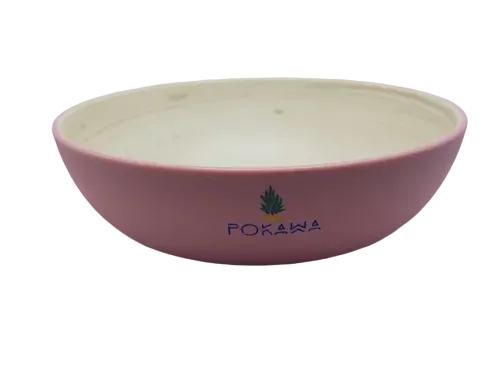
- Direct Eco Green, a factory-direct manufacturer of eco-friendly packaging, makes reusable PP, rPET, melamine and stainless steel ware, including rPET and PP bowls designed for more than 20 industrial wash cycles from 2,000 units.
Why operators are moving to reusables now
For two decades, "greener" foodservice meant swapping one disposable for another: foam for paper, plastic for compostable fiber. Regulation is now moving one step further, toward items that are not thrown away at all.
- Local dine-in rules. Berkeley requires reusable foodware for on-site dining and charges $0.25 for each disposable cup; Oakland and Albany have adopted similar reusable-foodware ordinances, and Alameda County publishes a model ordinance other cities can copy. In Canada, Victoria, British Columbia, has required reusable ware for dine-in since March 5, 2026.
- California SB 54. Producers must cut single-use plastic packaging and foodware 10% by 2027, 20% by 2030 and 25% by 2032, with a minimum share coming from reuse or refill (and, in 2032, elimination). See our guide to packaging EPR laws in the US and Canada.
- Accessories on request. California's AB 1276 has required utensils, straws and condiment packets to be offered only on request since 2022, and AB 619 lets customers bring their own clean containers if the business follows food-safety procedures.
- Canada's single-use plastics rules ban certain plastic cutlery and foodservice ware; the cutlery definition includes a dishwashing-durability test, so genuinely reusable items must withstand repeated washing.
Reusable materials compared
Direct Eco Green manufactures reusable ware in five material families. Each has a clear sweet spot:
| Material | Strengths | Watch-outs | Typical use |
|---|---|---|---|
| Polypropylene (PP) | Light, impact-resistant, BPA-free, colorable; PP bowls are microwave-safe | Confirm temperature and dishwasher limits per reference | Canteens, festivals, take-out return loops |
| rPET | Made from recycled bottles, clear or printed, rigid | Cold or warm food; most rPET bowls are not for microwave reheating | Salad and poke bowls, event cups |
| Melamine | Looks like ceramic, resists chipping, stacks well | Never in the microwave | Restaurants, hotels, pool decks |
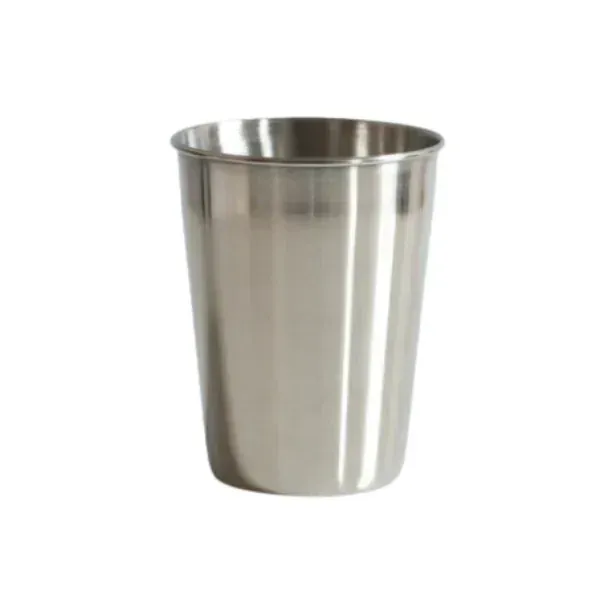
| Stainless steel | Unbreakable, very long life, widely recycled as scrap | Higher purchase price; no microwave | Cafés, campsites, staff canteens |
| Bamboo and wood | Natural look for serving and display | Usually hand-wash; shorter life in commercial machines | Serving boards, retail, catering displays |
Browse the full reusable foodservice ware range or the eco reusable tableware collection.
The cost-per-use formula
A reusable item is cheaper than a disposable one only over enough uses. A simple model is enough to decide:
Cost per serving (reusable) = purchase price ÷ uses before retirement + wash cost per cycle + loss rate × purchase price
Compare that with the landed cost of the disposable item it replaces, plus any per-item fee (such as Berkeley's cup charge) and, increasingly, the EPR fee attached to the disposable. Four inputs drive the result:
- Uses before retirement. Ask the manufacturer for the tested number of industrial wash cycles. Direct Eco Green's rPET and PP bowls are designed for more than 20 industrial wash cycles; stainless steel lasts far longer.
- Wash cost. Water, energy, detergent and labor per rack, divided by items per rack. Stackable, rack-friendly shapes cut this cost.
- Loss rate. Breakage and items that leave the premises. A logo, a distinctive color or a deposit reduces losses.
- Avoided costs. Disposable purchases, waste hauling and fees that disappear.
The environmental case follows the same logic. University of Michigan researchers found in 2021 that nine of twelve reusable kitchen items broke even with their single-use equivalents even when washed after every use, that reusable forks paid back in fewer than 12 uses, and that payback depends heavily on how efficiently items are washed.
Food safety and washing requirements
Reusable ware becomes a food-contact surface that is cleaned and reused, so it falls under the FDA Food Code as adopted by your state or county. Multiuse utensils must be made of safe, durable, corrosion-resistant, nonabsorbent materials with smooth, easily cleanable surfaces, and they must be washed, rinsed and sanitized between uses. Most high-temperature dish machines rinse at about 180 °F (82 °C), so check that every reference you buy is rated for commercial machine washing at that temperature, not only for a home dishwasher.
For food contact in the US, ask for the factory's FDA compliance letter for the resin; for rPET, ask whether the recycled resin comes from a process covered by an FDA Letter of No Objection, as explained in our rPET guide. Print care instructions (dishwasher, microwave, temperature limits) only once the factory has confirmed them for your reference.
How to set up a reuse program in six steps
- Map your servings. Count daily covers by item (cups, bowls, plates, cutlery) and peak days.
- Size the inventory. You need enough items for a full service plus those in the wash cycle and a buffer for breakage; operators typically plan several days of turns rather than a single day.
- Choose shapes for your dish machine. Stackable items that fit standard racks and dry quickly reduce labor and storage space.
- Decide on return mechanics. For dine-in, items never leave; for take-out loops, use a deposit, an app or a loyalty incentive, and brand the items so they come back.
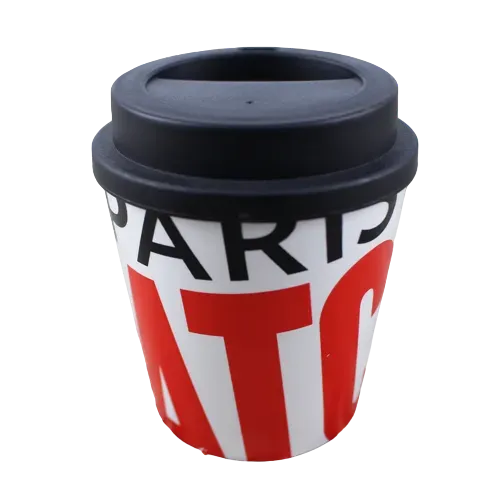
- Brand the ware. A printed logo or custom color turns each item into advertising and discourages theft. Direct Eco Green prints rPET bowls inside and out and produces PP items in custom colors.
- Track and adjust. Measure loss and breakage monthly and reorder before stock runs short.
Event operators can start with reusable cups only, the item with the highest volume and the clearest savings, and add bowls and plates in a second season.
Ordering reusable ware factory-direct
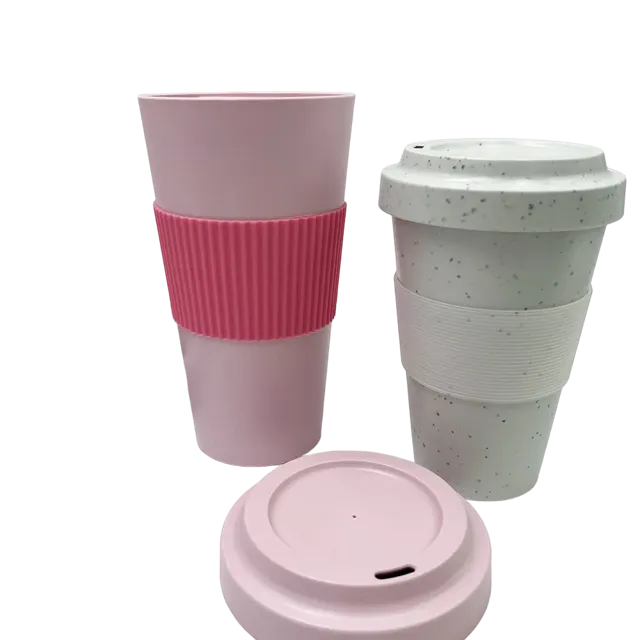
Buying from a distributor makes sense for a pilot of a few hundred pieces in stock colors. Once you standardize on one or two shapes, ordering direct from the factory gives you custom colors, your logo and a lower unit cost at volume. Direct Eco Green produces reusable rPET and PP bowls from 2,000 units per reference, rPET cups in 25, 33 and 50 cl, PP cups, PP food containers and stainless steel cups, with samples before production and a quote within 48 hours.
For disposables you still need, such as take-out, see our comparison of PE, PLA and aqueous-coated paper cups. To plan a reuse program, send your covers per day, items and dish machine type through the quote form.
Frequently asked questions
Which cities require reusable dishes for dine-in?
In California, Berkeley, Oakland and Albany have adopted ordinances requiring reusable foodware for on-site dining, and Alameda County publishes a model ordinance for other cities. In Canada, Victoria, British Columbia, has required reusable food service ware for dine-in since March 5, 2026. Check your city's current rules, as more local ordinances are being adopted.
How many uses before reusable foodware beats disposables?
It depends on the item and on how it is washed. A 2021 University of Michigan study found that reusable forks broke even with single-use plastic forks in fewer than 12 uses and that nine of twelve reusable kitchen items broke even when washed after every use. Efficient machine washing shortens the payback; inefficient hand washing lengthens it.
What is the best material for reusable restaurant bowls?
Polypropylene (PP) suits hot food and microwave reheating, rPET suits cold and warm dishes such as salads and poke, melamine gives a ceramic look but must not go in the microwave, and stainless steel is the most durable. Direct Eco Green's rPET and PP bowls are designed for more than 20 industrial wash cycles.
Does California SB 54 require reusable packaging?
SB 54 does not ban single-use items outright, but it requires producers to reduce single-use plastic packaging and foodware by 25% by 2032, with interim targets of 10% in 2027 and 20% in 2030, and a minimum share of that reduction must come from reuse or refill (and, from 2032, elimination).
Can reusable plastic cutlery be sold in Canada?
Canada's Single-use Plastics Prohibition Regulations ban single-use plastic cutlery, and the definition considers whether items can withstand repeated dishwashing. Cutlery that is genuinely reusable and durable in a dishwasher can be outside the ban, but check the definition with your compliance advisor before selling plastic cutlery in Canada.