Key takeaways
- rPET is PET plastic made from recycled material, usually post-consumer bottles, and keeps PET's clarity and strength.
- For food contact in the US, ask whether the recycled resin comes from a process covered by an FDA Letter of No Objection.
- rPET packaging is recyclable where #1 PET is accepted; rPET is not biodegradable or compostable.
- Recycled-content claims should be backed by a certificate such as GRS or RCS and worded to match the FTC Green Guides.
- Direct Eco Green manufactures rPET bags in 100, 120 and 180 g/m² fabric and reusable rPET cups, containers and kids' plates in its GreenCurve range.
What rPET means
rPET stands for recycled polyethylene terephthalate. It is the same polymer as PET, the #1 plastic used for most water and soda bottles, but made from material that has already been used and recycled rather than from new (virgin) resin.
Because the polymer is the same, rPET keeps most of PET's useful properties: it is clear, light, impact-resistant and moisture-resistant, and it can be thermoformed into cups, trays and containers or spun into polyester yarn for fabric. The difference lies in the source of the material and in the documentation needed to prove its quality and recycled content.
rPET can be used at different recycled-content levels. A product described as "rPET" may contain a share of recycled material blended with virgin PET, so the exact percentage should always be stated and documented.
How rPET is made from used bottles
rPET is made by collecting PET bottles and containers, sorting them, removing caps and labels, grinding them into flakes, washing the flakes, and melting them into pellets or fiber. The cleaner the input, the more uses the output can serve.
- Collection and sorting: PET items are separated from other plastics, often by color and shape.
- Removing caps and labels: caps and labels are usually made of other plastics and are removed.
- Grinding and washing: the PET is ground into flakes and washed to remove residue.
- Melting and pelletizing: the flakes are melted and formed into pellets for molding or thermoforming.
- Spinning (for textiles): for bags and fabrics, bottle flake is melted and spun into polyester yarn, then woven or knitted.
For food-contact uses, the recycling process also has to remove contaminants to a level regulators accept, which is the subject of the next section.
Is rPET safe for food contact in the US and Canada?
rPET can be used for food contact in the US when the recycling process has been reviewed by the FDA. In practice, recycled plastics for food contact are typically supported by an FDA "Letter of No Objection" (NOL) issued to a specific recycling process, after FDA reviews how effectively the process removes contaminants.
The NOL is tied to a process, not to a brand or a finished product. That has two consequences for buyers:
- Ask your supplier which recycled resin is used and whether the recycler's process is covered by an FDA NOL, and for which conditions of use.
- Ask for a food-contact compliance letter for the finished item, stating the materials and intended use (hot or cold, fatty or dry foods, reusable or single-use).
In Canada, Health Canada's Letter of No Objection program for packaging materials is voluntary. Ask whether a letter exists for the material rather than assuming it, and keep the documents on file with your product specifications. For a broader view of documents to request, see how to vet a packaging manufacturer.
rPET compared with PET, PP and bagasse
Direct Eco Green, a factory-direct manufacturer of eco-friendly packaging, makes both rPET and bagasse ranges: rPET is the better choice for clear, durable plastic with recycled content, especially reusable items, and bagasse when your goal is a compostable single-use product.
| Material | Source | Typical uses | End of life (US / Canada) |
|---|---|---|---|
| rPET | Recycled PET, mostly post-consumer bottles | Reusable cups, clear containers, kids' plates, bag fabric | Recyclable where #1 PET is accepted; not biodegradable |
| Virgin PET | New fossil-based resin | Bottles, clear lids and containers | Recyclable where #1 PET is accepted; widely recycled as bottles |
| PP (polypropylene) | Usually virgin resin | Reusable containers, cutlery, cups | Accepted in some recycling programs; check locally |
| Molded bagasse | Sugarcane fiber | Single-use plates, bowls, clamshells | Commercially compostable where accepted, if certified |
PET bottles are among the most widely recycled packaging items, which is why bottle-grade PET is the main feedstock for rPET. More on molded fiber in what is bagasse.
Recyclability and claims: what you can print on rPET
You can describe rPET items as made with recycled content if you can document the percentage, and as recyclable only where facilities accept them. rPET is not biodegradable, and should never be marketed as compostable.
- Recycled content: a chain-of-custody certificate such as GRS (Global Recycled Standard) or RCS supports the claim; state the percentage, not just "recycled."
- Recyclable: under the FTC Green Guides, an unqualified "recyclable" claim requires recycling facilities available to a substantial majority (60% or more) of consumers or communities where the item is sold. Otherwise, qualify it.
- California SB 343: from October 4, 2026, the chasing-arrows symbol or a "recyclable" claim is deemed deceptive unless the material meets state criteria, including collection by programs serving at least 60% of the California population, sorting by large-volume facilities, and no intentionally added PFAS.
- Textiles are different: an rPET tote is made of polyester fabric, not a bottle. Do not assume it is accepted in curbside programs; check locally before printing any recycling claim.
Mixing rPET with other materials, such as laminations or mixed fibers, can make it harder to recycle. Simple, mono-material designs keep the end-of-life story credible. See recyclable vs compostable claims for wording examples.
rPET products from Direct Eco Green
Direct Eco Green manufactures rPET products through audited partner factories, with custom printing, custom colors and private label on request. The range covers textiles and rigid reusable items.
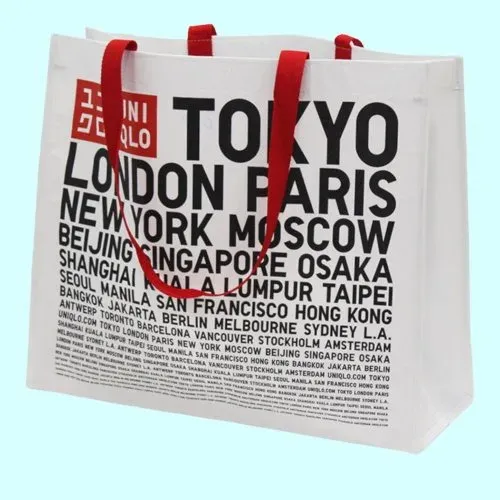
- rPET bags made from recycled PET bottles, in sizes S, M, L or custom and fabric weights of 100, 120 and 180 g/m², with optional BOPP lamination.
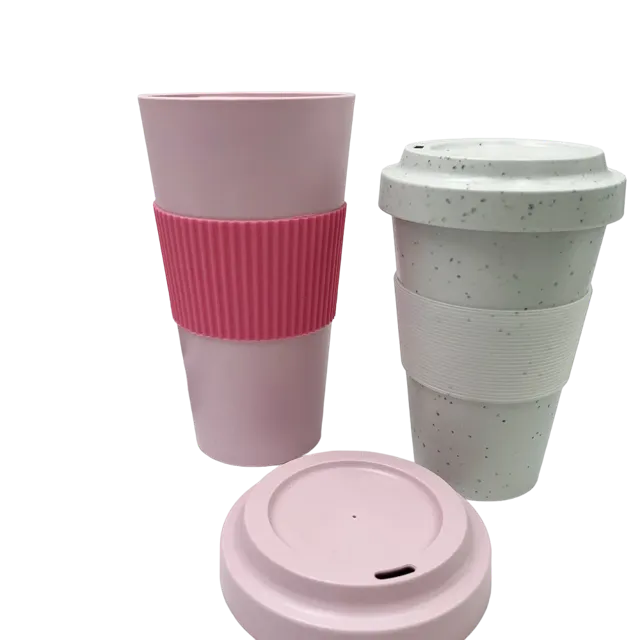
- Reusable rPET cups (GreenCurve) in 25, 33 and 50 cl (8.5, 11.2 and 16.9 fl oz), with flat or dome lid.
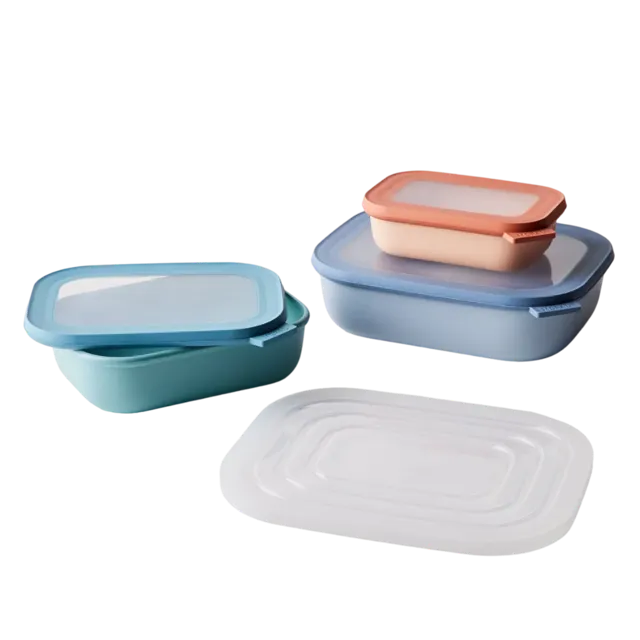
- rPET round and rectangular containers (GreenCurve), three rectangular and five round sizes.
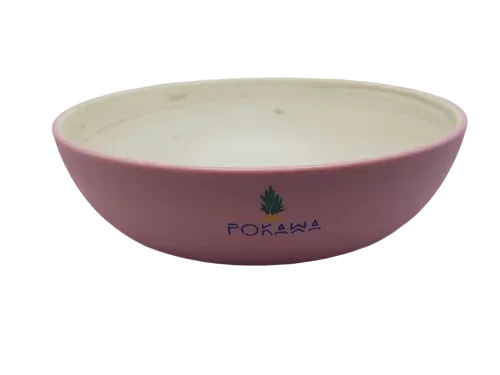
- rPET kids' plates (GreenCurve), plain and compartment models.
The MOQ for rPET items depends on material, size and printing and is stated in your quote. Note that a BOPP lamination adds a second plastic to a bag, which matters if you plan a recycling claim. Ask for the recycled-content certificate and food-contact documents with your quote, which Direct Eco Green sends within 48 hours, together with samples before production. Send your request through the contact form.
Frequently asked questions
What does rPET stand for?
rPET stands for recycled polyethylene terephthalate. rPET is the same polymer as PET, the #1 plastic used for most bottles, but made from material that has been collected, cleaned and reprocessed instead of new resin.
Is rPET food safe?
rPET can be food-contact safe in the US when the recycled resin comes from a process the FDA has reviewed, typically documented by a Letter of No Objection issued to that recycling process. Ask the supplier for the NOL reference and a food-contact compliance letter for the finished item and its intended use.
Is rPET recyclable?
Rigid rPET items are recyclable where #1 PET is accepted by local programs. rPET fabric, such as rPET tote bags, is not a bottle and is generally not something to assume curbside programs accept, so check locally before making any recycling claim.
Is rPET biodegradable or compostable?
No. rPET is not biodegradable and not compostable; it is a durable plastic designed to be reused and recycled. Marketing rPET as biodegradable or compostable would conflict with the FTC Green Guides.
How do I prove the recycled content of rPET bags or cups?
Recycled content in rPET bags or cups is usually documented with a chain-of-custody certificate such as GRS (Global Recycled Standard) or RCS. The certificate should cover the supplier and the product, and your claim should state the recycled percentage it supports.