Low-Cost Food Packaging Wholesale: Cut Total Cost, Not Quality
Direct Eco Green manufactures food packaging factory-direct, which removes the distributor margin from your unit cost. But the cheapest box is rarely the lowest-cost box: leaks, collapsed lids and rush freight cost more than a few cents per unit. This guide explains the levers that actually lower your total cost of ownership (TCO).
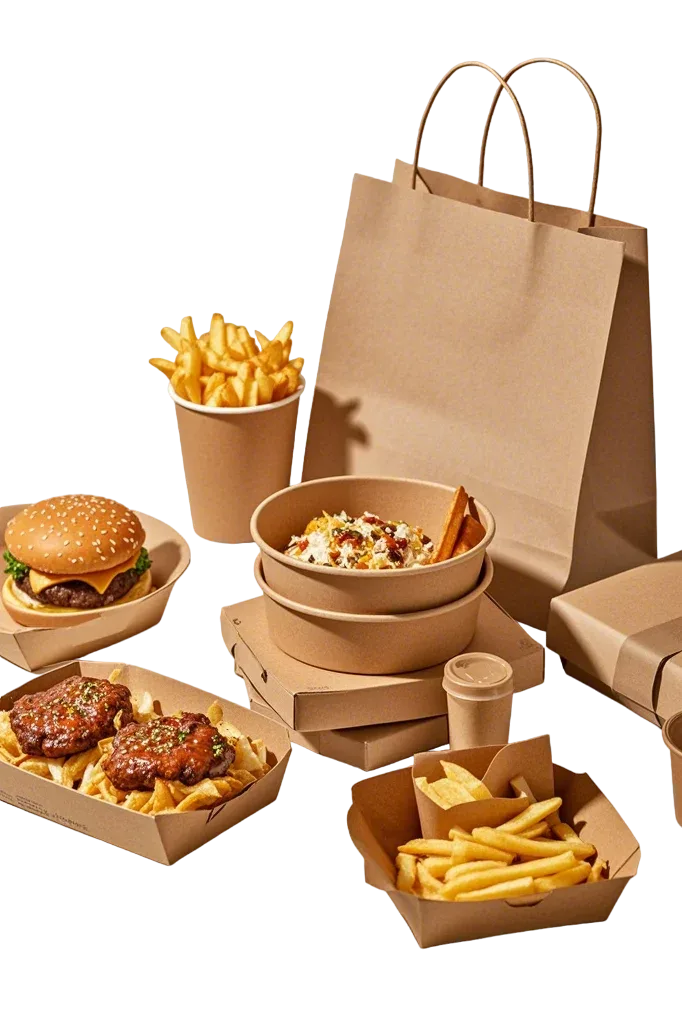
Low-cost food packaging is packaging with the lowest total cost per meal served, not the lowest unit price. Direct Eco Green lowers that total by producing in audited partner factories without a distributor margin, by grouping your volume on fewer standard references, and by consolidating several products into one shipment. It does not publish prices: every quote is calculated for your sizes, materials, printing and quantities.
Products for this need
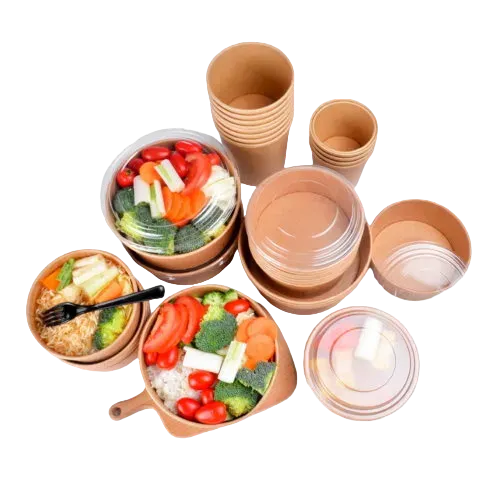
PE-coated paper soup & salad bowls
Kraft and white PE-coated paperboard bowls, 50–1,300 ml, up to 320 gsm, plastic or paper lids. MOQ 10,000.
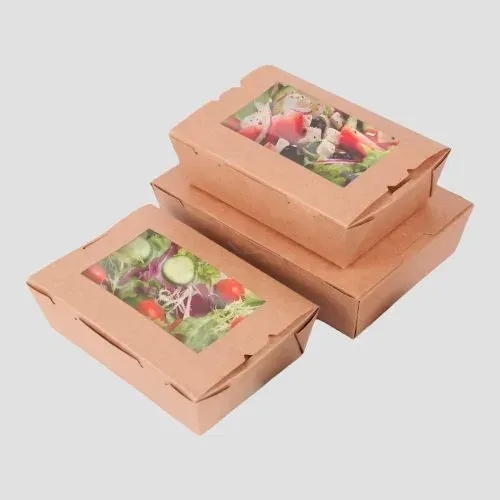
Salad & catering boxes
Kraft + PLA salad and catering boxes, open or with clear window lid, 30–260 mm. MOQ 10,000 pieces.
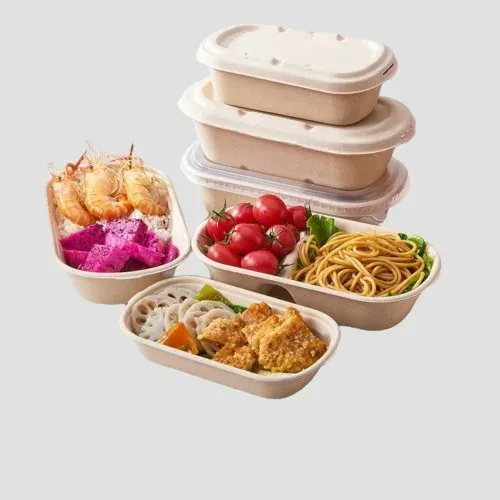
Bagasse bowls & containers
Molded sugarcane fiber bowls, lunch boxes and compartment containers, 240 to 1,500 ml. MOQ 10,000.
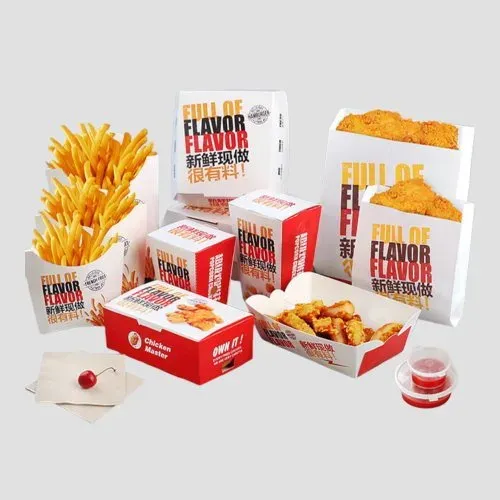
Fry, wrap, taco & kebab packaging
Kraft + PLA fry boxes, crepe holders, wrap, taco and kebab packaging, open or with lid. MOQ 20,000.
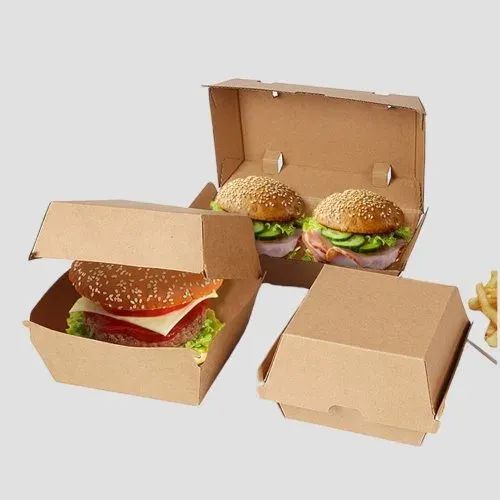
Kraft burger & hot dog boxes
Natural kraft clamshell burger boxes and elongated hot dog boxes, 100–220 mm, logo printing and custom sizes.
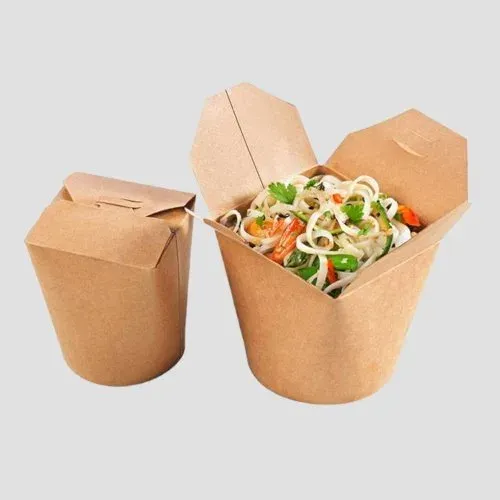
Pasta & noodle boxes
Kraft + PLA, double-PE board or ivory board take-out boxes with 4-flap closure. MOQ 5,000.
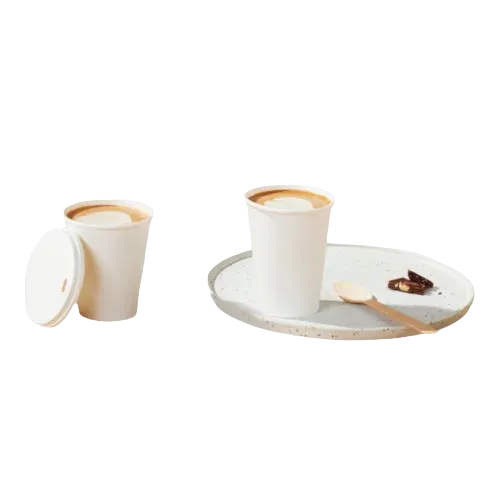
Paper cups, hot & cold drinks
Single- and double-wall paper cups in white or kraft, 4 to 22 oz, printed in 1 to 5 colors. MOQ 10,000.
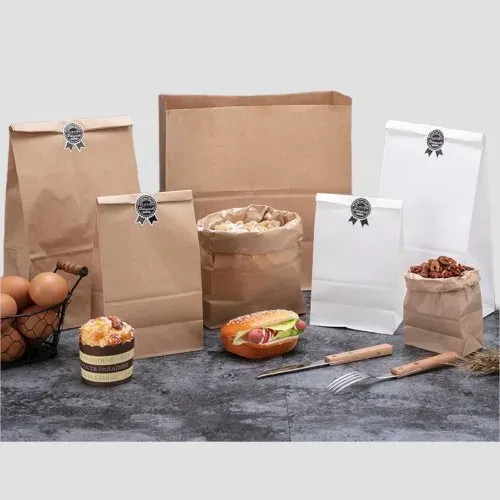
Kraft lunch bags & sandwich wrap
Food-grade recycled kraft lunch bags and pouches, with or without handles, plus cellulose sandwich wrap.
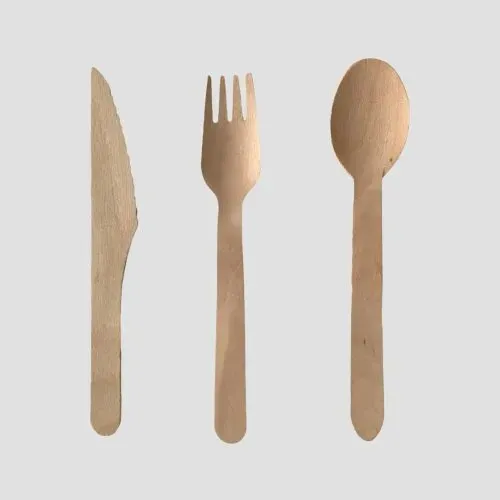
Disposable wooden cutlery
Solid birch fork, knife and spoons, sold loose or as a kraft-pouch set with napkin. Custom printed pouch.
Unit price vs total cost of ownership
Your real packaging cost is the landed cost of every unit plus the cost of every failure. Comparing unit prices alone hides most of it.
| Cost component | What drives it | How to reduce it |
|---|---|---|
| Unit price | Material, size, printing, run length, intermediaries | Buy factory-direct, order full production runs |
| Freight and import | Number of shipments, carton efficiency, urgency | Consolidated shipments, planned orders |
| Storage | Number of SKUs, bulky formats | Fewer references, nesting or flat-packed formats |
| Failures | Leaks, soggy boxes, weak handles | Correct barrier and board strength for each dish |
| Compliance risk | PFAS laws, Canada's plastics ban, claim wording | Documented materials before ordering |
Lever 1: buy factory-direct instead of through a distributor
Direct Eco Green manufactures through partner factories it has selected and audited, so your price is a factory price plus a sourcing service, not a chain of wholesale and retail margins. The trade-off is that you order production runs rather than cases from a shelf: minimums apply per reference (for example 5,000 pasta boxes, 10,000 bagasse bowls or salad boxes, 20,000 fry or wrap sleeves), and other MOQs are stated in your quote. This model works best for buyers who reorder the same items regularly.
Lever 2: standardize formats and cut your SKU count
Fewer references mean higher volume per reference, and higher volume per reference lowers the unit cost. A common mistake is a dedicated box for every dish on the menu.
- Use one bowl family in two or three sizes for salads, poke, pasta and hot dishes, with a shared lid diameter. The kraft paper bowls run from 50 ml sauce cups to 1,300 ml bowls.
- Use one clamshell or one take-out box for burgers, wraps and sides.
- Print one design across several items instead of a different design per item.
- Keep custom sizes for the items where fit really matters.
Lever 3: specify the right material, not the most expensive one
Over-specifying wastes money; under-specifying causes leaks and refunds. Match the barrier and board to the food.
| Food | Sufficient spec | Avoid |
|---|---|---|
| Dry bakery, sandwiches | Uncoated kraft bags or cellulose wrap | Laminated boxes |
| Fries, wraps, tacos | Kraft with PLA lining | Heavy corrugated board |
| Salads, cold bowls | Kraft or white paper bowl with lining | Double-PE board |
| Hot, saucy, long delivery | Molded bagasse, or double-PE paperboard | Thin single-coated paper |
| Pizza | 3-layer corrugated; 5-layer for large pizzas | 5-layer for every size |
Ask Direct Eco Green for samples of two specs and test them with your own recipes before choosing.
Lever 4: test samples before you buy volume
A sample test costs far less than a production run of the wrong box. Run each candidate through your real conditions: the hottest dish on the menu, your longest delivery time, a stack of five orders in a bag. Check lid fit after closing, sogginess at the base, and whether handles hold the heaviest order. Direct Eco Green can supply samples of alternative specs so you compare them before choosing the cheapest one that passes.
Lever 5: consolidate shipments and plan ahead
Freight is often the second-largest line after the unit price. Direct Eco Green consolidates products from several factories into one shipment, so bowls, cutlery and bags travel together instead of in separate small loads. Planning orders around your forecast, rather than reordering when stock runs out, avoids expensive rush freight and gives the factory a full production slot. Ask for your quote early and share your expected annual volumes.
Lever 6: avoid compliance costs before they happen
Non-compliant stock is the most expensive packaging you can buy, because it cannot be used. Direct Eco Green helps you document each material before ordering: the grease barrier comes from PLA film, PE film, an aqueous coating or the molded fiber itself, not from fluorinated treatments, and you can ask for the factory's PFAS declaration with your quote. For Canada, avoid foodservice ware in expanded polystyrene, PVC or carbon-black black plastic. For compostable claims, confirm which reference can document ASTM D6400 or ASTM D6868 certification. When you are ready, send your packaging list.
Frequently asked questions
How can I compare quotes from different packaging suppliers fairly?
Compare landed cost per unit, not ex-factory price: include freight, import costs, storage and expected failure rate. Ask every supplier, including Direct Eco Green, to quote the same material, size, printing and quantity, and test samples side by side.
Why doesn't Direct Eco Green publish prices?
Direct Eco Green produces every order to specification, so the price depends on material, size, printing, quantity and destination. A tailored quote is sent within 48 hours of receiving your specs.
Is factory-direct food packaging always cheaper?
Factory-direct food packaging is usually cheaper per unit at volume because there is no distributor margin, but it requires production-run quantities. For small or irregular orders a distributor can cost less overall.
What is the cheapest way to lower my take-out packaging cost?
The fastest saving is usually to reduce the number of references so each one is ordered in larger volume. Direct Eco Green can review your packaging list and suggest shared sizes and lids before quoting.
Does custom printing make food packaging much more expensive?
Custom printing adds a setup and per-unit cost that falls as quantities rise. Direct Eco Green states the MOQ and cost for printed and plain versions in the same quote so you can compare.
Are low-cost food containers still PFAS-free?
Low cost and PFAS-free are compatible: the barrier on Direct Eco Green food packaging comes from PLA, PE, aqueous coatings or molded fiber, not fluorinated treatments. Ask for the factory's PFAS declaration with your quote.

About Direct Eco Green
Direct Eco Green is a manufacturer and sourcing partner of eco-friendly packaging, founded and based in Ho Chi Minh City, Vietnam, with a sister company in Singapore. It produces food packaging, luxury packaging, reusable bags and sustainable accessories in selected, audited partner factories in Vietnam, China, India, Turkey, Bulgaria and Spain, runs quality control on site, and ships consolidated orders to brands, restaurants and retailers in the US, Canada and Europe. Direct Eco Green holds FSC certification under license code C204557.
More wholesale guides: Wholesale food packaging · Custom printed packaging · Plastic-free packaging · Kraft packaging · Disposable packaging · Fast food & QSR · Pizza boxes · Catering · Bakery · Pastry boxes · Candy & chocolate · Butcher & meat
Get a factory-direct quote
Tell us which products you need, your quantities and your delivery city in the US or Canada. Direct Eco Green replies with a tailored quote within 48 hours, with samples available before production.
- By phone+84 77 3984 694
- WhatsApp+33 6 95 51 80 53
- By emailcontact@directecogreen.com