Key takeaways
- The printing method depends on the item: flexo for cups and bags, offset for printed boxes, other methods for reusable plastic and metal.
- Supply vector artwork on the factory dieline, with Pantone references for brand colors and outlined text.
- Approve a digital proof, then a physical sample before production; a sample is the only way to judge color on kraft or on a curved cup.
- Every environmental claim or logo on pack (recyclable, compostable, FSC) must be backed by documents; Direct Eco Green can supply FSC-certified board under license FSC C204557.
Printing methods by packaging type
The item decides the printing method, and the method decides what your artwork can do. The table summarizes what buyers meet most often:
| Method | Typical items | Strengths | Artwork limits |
|---|---|---|---|
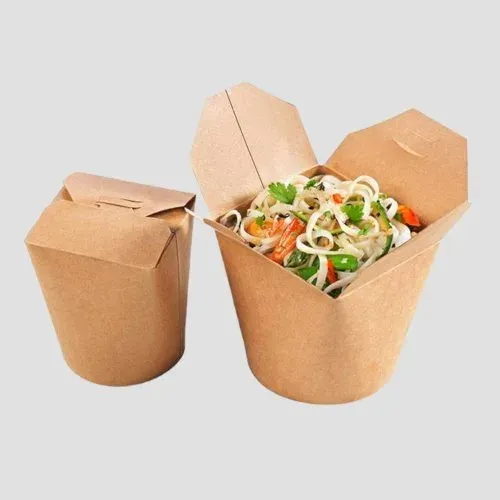
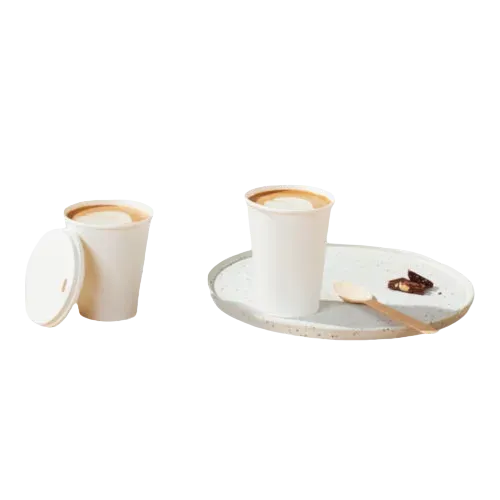
| Flexography (flexo) | Paper cups, paper bags, napkins, kraft take-out boxes | Fast and economical at volume; works with water-based inks | One printing plate per color; best with spot colors and bold shapes |
| Offset lithography | Folding cartons: cake, chocolate, cosmetic and gift boxes | Fine detail, photographs, full CMYK color | Plates per color; finishing (lamination, foil, embossing) adds steps |
| Digital printing | Short runs and prototypes | No plates; variable designs | Higher unit cost at volume |
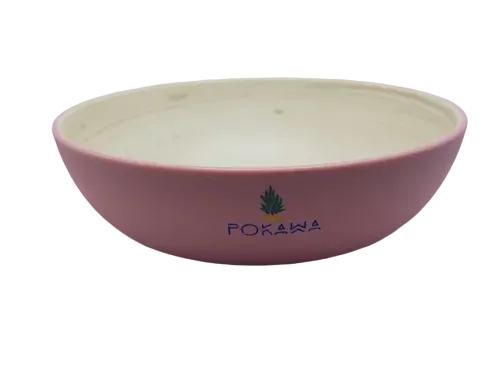
| Screen or pad printing, in-mold decoration | Reusable PP and rPET cups and bowls | Durable through repeated washing | Limited number of colors; position set by the mold |
| Laser or etched marking | Stainless steel cups, bowls, trays | Permanent, no ink | Single tone |
Direct Eco Green examples: paper cups printed in 1 to 5 colors, paper bowls in 1 to 4 colors or full CMYK depending on the model, reusable rPET bowls with full interior printing, and luxury boxes with hot stamping, embossing and matte or gloss lamination.
Preparing artwork the factory can print
Ask for the dieline first: the flat outline of the item with fold, glue and safe areas. Designing on a generic template is the fastest way to lose a logo in a glue flap. Then check these points before you send files:
- Vector files (AI, PDF or EPS) with all text converted to outlines; embedded photos at print resolution.
- Color references: Pantone (PMS) codes for brand colors on flexo and spot-color jobs, CMYK for offset photographs.
- Bleed beyond the cut line, and important text kept inside the safe area.
- Minimum sizes: flexo on paper and kraft does not hold very thin lines or small reversed text; ask the factory for its minimums.
- Base material: inks on natural kraft look darker and warmer than on white board; a white underlay or white board changes the result.
For cups and round containers, the flat artwork is distorted into an arc. Check the logo position on a mock-up of the wrapped cup, not only on the flat file.
Proofs, samples and approval
Approval happens in two stages, and both are worth the time:
- Digital proof. The factory places your artwork on its dieline. Check spelling, dimensions, barcodes, legal text and the position of every element.
- Physical sample. A sample shows what a screen cannot: color on the real board, how the print wraps around a cup, how a lid fits, how a box folds. Direct Eco Green produces samples before production for exactly this reason.
Agree on a color tolerance before production, especially across reorders and across items printed by different methods (for example a flexo cup and an offset box in the same brand color). Keep one approved sample as the reference for future runs.
Inks, coatings and food contact
On most food packaging, the print sits on the outside and the food touches the barrier on the inside. Inks still matter, because they can transfer when items are stacked or rolled. Ask for:
- Water-based inks where available; Direct Eco Green prints its GreenCup range with water-based flexo inks.
- A statement that inks and coatings are suitable for food packaging, alongside the factory's FDA food-contact compliance letter for the material.
- Mineral-oil-free inks on request for paper and board that will touch dry or fatty food.
- A PFAS declaration covering barrier and coatings; intentionally added PFAS are banned in food packaging in a growing list of US states (see our PFAS guide).
Finishes such as plastic lamination look premium but can change how an item is sorted for recycling; choose them knowingly if you plan any recyclable claim.
What you can print: claims and logos
The printed surface is where compliance risk concentrates. Before adding any environmental message:
| On-pack element | What you need |
|---|---|
| "Recyclable" or chasing arrows | Recycling access for most consumers where sold (FTC Green Guides); in California, the SB 343 criteria in force since October 4, 2026 |
| "Compostable" or a certification mark | Certification of the exact item (ASTM D6400 / D6868, typically BPI; CAN/BNQ 0017-088 in Canada) and permission to use the mark |
| FSC label | Product sold through an FSC-certified chain of custody, with the label generated and approved under the certificate holder's license |
| "Made with recycled content" | Documented recycled content for the exact reference |
| "Plastic-free", "biodegradable" | Avoid unless fully substantiated; unqualified degradable claims rarely are |
Direct Eco Green holds FSC chain-of-custody certification under license FSC C204557, so FSC-certified paper and board can be supplied for printed items. Read our guide to recyclable and compostable claims before finalizing artwork. Private-label products sold at retail in Canada also need their mandatory label information in English and French.
MOQs, plates and reorders
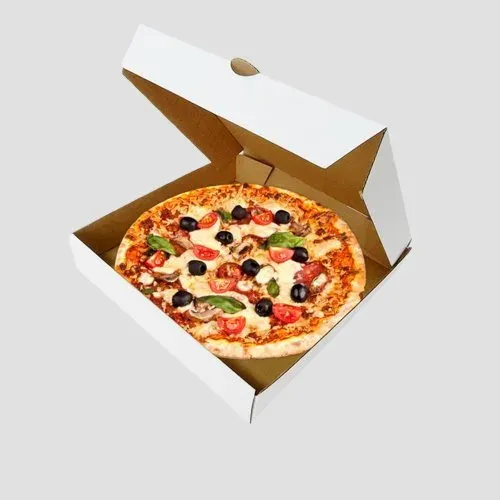
Printing adds fixed costs that unprinted stock does not have: plates or screens per color, press setup and color matching. That is why MOQs are often set per design and per size: a cup printed in two designs is two runs. Examples from Direct Eco Green's catalog: paper cups from 10,000 pieces per size, GreenCup from 50,000 pieces, pasta boxes from 5,000, pizza boxes and salad boxes from 10,000, fry and wrap packaging from 20,000, and cake and donut boxes from 1,000.
To keep unit cost down, limit the number of colors on flexo items, use one design across several sizes where the layout allows, and reorder the same approved artwork, which reuses plates and avoids new color matching. Our guide to packaging MOQs explains the trade-offs.
The ordering process with Direct Eco Green
- Choose items in the catalog or describe a custom item.
- Send sizes, quantities, printing (colors, sides, finish) and delivery city through the quote form.
- Receive a tailored quote within 48 hours with the printing options; ask for the dieline to start your artwork.
- Approve the digital proof, then the sample.
- Production, on-site quality control, shipping and delivery, consolidated with your other items where possible.
See also our custom printed food packaging wholesale page for the full range of printable items.
Frequently asked questions
What file format do I need for custom printed packaging?
Send vector artwork (AI, PDF or EPS) placed on the factory's dieline, with text converted to outlines, Pantone codes for brand colors and bleed beyond the cut line. Photographs must be embedded at print resolution.
Why do printed cups have a higher MOQ than plain cups?
Each printed design needs plates or screens, press setup and color matching, which are fixed costs spread over the run. Factories therefore set MOQs per design and per size. Direct Eco Green's printed paper cups start at 10,000 pieces per size.
Will my brand color look the same on kraft paper?
No. Natural kraft is brown, so inks printed on it look darker and warmer than on white board. Ask for a physical sample on the actual board, or consider a white base or white underlay where an exact brand color matters.
Can I print the FSC logo on my custom packaging?
Only if the product is sold through an FSC-certified chain of custody and the label is generated and approved under the certificate holder's license. Direct Eco Green holds FSC license C204557 and can supply FSC-certified paper and board for printed items.
Are printing inks on food packaging safe?
On most food packaging the print is on the outside and the food touches the inner barrier. Ask for water-based inks where available, a statement that inks are suitable for food packaging, mineral-oil-free inks on request for paper and board, and the factory's FDA food-contact compliance letter for the material.