Key takeaways
- Statewide bans exist in California, Colorado, Connecticut, Delaware, Maine, New Jersey, New York, Oregon, Rhode Island, Vermont and Washington, and Hawaii is covered by county bans.
- California's SB 1053 removed the thick film bag option on January 1, 2026; recycled paper bags must sell for at least 10 cents and contain 50% postconsumer recycled content from 2028.
- In Canada, a bag escapes the ban only if it carries 10 kg over 53 m 100 times and, if made of fabric, survives a domestic wash.
- Direct Eco Green, a factory-direct manufacturer of eco-friendly packaging, produces custom printed rPET, polypropylene, cotton, jute and kraft paper bags for retailers and brands in the US and Canada.
US states with statewide plastic bag bans
Most states regulate checkout bags at the point of sale: the store may not provide a single-use plastic bag and must charge for alternatives. The table summarizes the main statewide rules; exemptions for produce, meat, bulk food and prescription bags are common, and local ordinances can be stricter.
| State | In force since | Paper bag rule |
|---|---|---|
| California | 2016; all plastic film checkout bags banned from Jan. 1, 2026 (SB 1053) | Recycled paper bag sold for at least 10¢ |
| Colorado | January 2024 | 10¢ fee |
| Connecticut | July 1, 2021 | Set locally |
| Delaware | January 1, 2021 (large stores) | Reusable bags must be offered |
| Maine | July 1, 2021 | 5¢ fee |
| New Jersey | May 4, 2022 | Paper bags also banned in large grocery stores |
| New York | March 1, 2020 | Counties may charge 5¢ |
| Oregon | January 1, 2020 | 5¢ minimum |
| Rhode Island | 2024 | Paper bags must be recyclable |
| Vermont | July 1, 2020 | 10¢ fee |
| Washington | October 1, 2021 | 8¢ fee |
| Hawaii | County bans in every county | Set by county |
The opposite also exists: several states, such as Florida, Arizona and Missouri, prevent cities from adopting their own bag bans. Check both the state and the city where each store operates.
California SB 1053: the end of the "reusable" plastic bag
California's first bag law (SB 270) allowed stores to sell thick plastic film bags as reusable. Many of those bags were used once and thrown away, so the state closed the option. Since January 1, 2026, covered stores (large grocery stores, large retailers with a pharmacy, convenience stores and liquor stores) may not provide plastic film checkout bags of any thickness at checkout.
- Paper bags remain allowed if they are recycled paper bags sold for at least 10 cents. Today they must contain 40% postconsumer recycled content (20% for bags rated 8 pounds or less), be recyclable curbside and carry the manufacturer's name, country of manufacture and recycled content; from January 1, 2028 the requirement rises to 50% postconsumer recycled content.
- Reusable bags brought by customers, or sold as durable fabric bags, are the main alternative.
For brands that print bags for California stores, this means checking two things on the artwork: the mandatory paper bag markings, and any recyclable claim, which must also meet the state's SB 343 criteria in force since October 4, 2026 (see our guide to recyclable and compostable claims).
Canada: a national ban with a durability test
Canada's Single-use Plastics Prohibition Regulations ban the manufacture and import of single-use plastic checkout bags since December 20, 2022, and their sale since December 20, 2023. The definition is based on performance, not thickness: a plastic bag designed to carry purchases is banned if it would break or tear when carrying 10 kg over 53 metres 100 times, or, for a fabric bag, after a single domestic wash under ISO 6330.
That test matters for woven and non-woven polypropylene and rPET bags, which are made of plastic fibers. A well-made bag passes; a thin promotional bag may not. Ask your supplier for the fabric weight and the results of a load and wash test before importing bags into Canada. Paper bags are outside the federal ban, though some municipalities have their own bylaws.
Choosing a reusable bag that complies and lasts
| Material | Strengths | Points to check | Direct Eco Green range |
|---|---|---|---|
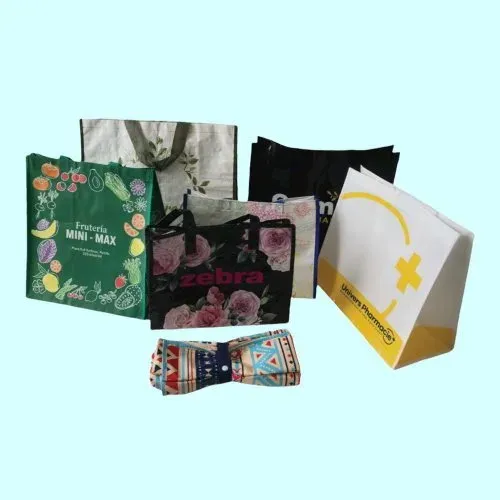
| rPET fabric | Made from recycled bottles; strong, printable, washable | Recycled-content documentation (e.g., GRS) before claiming it | rPET bags, 100, 120 or 180 g/m² |
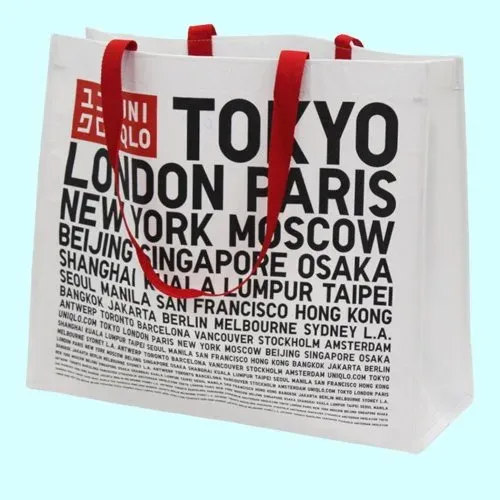
| Woven PP | Very strong for heavy groceries; low cost per use | Lamination limits washing; check the Canadian wash test | Woven and non-woven PP bags |
| Non-woven PP | Light, economical, wide color choice | Fabric weight decides durability; avoid very light grades | Same range, custom weight |
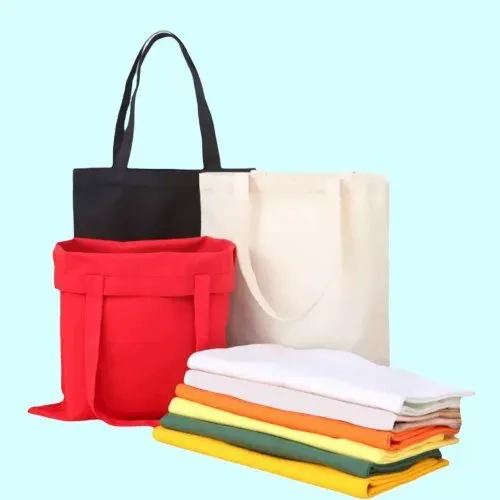
| Cotton and canvas | Natural fiber, washable, premium feel | Needs many uses to repay its footprint | Cotton totes, organic on request |
| Jute | Natural, rigid, strong | Not machine washable in most constructions | Jute bags |
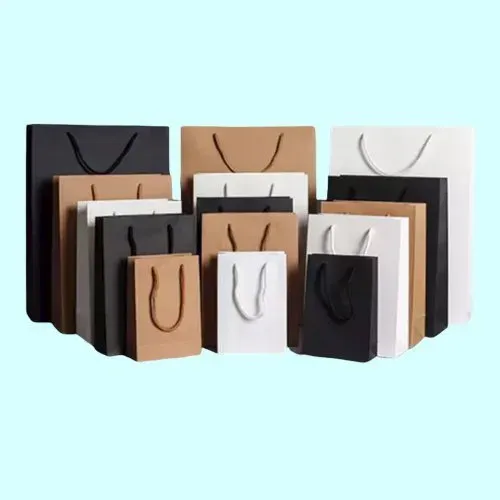
| Kraft paper | Allowed under most bans; recyclable where accepted | Recycled content and markings in California | Custom kraft paper bags, 50 to 120 g/m² |
A reusable bag only pays off if it is used many times. Fabric weight, stitched handles and reinforced seams decide how long it lasts, and a good print turns each trip into brand exposure.
Claims you can print on a bag
- "Reusable": supportable for a bag designed and tested for repeated use; in Canada, the 100-use and wash tests are the reference.
- "Made from recycled bottles" / "recycled content": only with documentation for the exact fabric; under the FTC Green Guides the claim must match the documented percentage.
- "Recyclable": risky for fabric bags, which are rarely accepted in curbside programs; in California, SB 343 applies.
- "Biodegradable": avoid for plastic fabrics; unqualified degradable claims are rarely supportable.
The rPET guide explains recycled-content documentation in more detail.
Ordering custom bags factory-direct
Retail chains, grocers and brands usually move to factory-direct sourcing once they standardize on one or two bag formats. Direct Eco Green produces bags to your size, fabric weight, handle type and print, in its partner factories, and can consolidate them with your other packaging in one shipment. MOQ depends on material, size and printing; it is stated in your quote, which you receive within 48 hours. For artwork and proofs, see our guide to custom printed packaging, and for duties and freight, our landed cost guide. Send your specification through the quote form.
Frequently asked questions
Which US states ban plastic bags in 2026?
Statewide bans on single-use plastic checkout bags apply in California, Colorado, Connecticut, Delaware, Maine, New Jersey, New York, Oregon, Rhode Island, Vermont and Washington, and every county in Hawaii has a ban. Local ordinances add rules in many other cities, while some states, such as Florida, prevent local bans.
Are thick reusable plastic bags still allowed in California?
No. Since January 1, 2026, California's SB 1053 bans plastic film checkout bags of any thickness at covered stores. Stores may sell recycled paper bags for at least 10 cents, and customers can use durable reusable bags.
What paper bags are allowed in California?
Recycled paper bags sold for at least 10 cents that contain 40% postconsumer recycled content (20% for small bags), are curbside recyclable and are marked with the manufacturer, country of manufacture and recycled content. From January 1, 2028 the requirement rises to 50% postconsumer recycled content.
Are non-woven polypropylene bags legal in Canada?
Yes, if they are durable enough. Canada bans plastic checkout bags that would break or tear when carrying 10 kg over 53 metres 100 times or, for fabric bags, after one domestic wash under ISO 6330. A well-made non-woven PP bag can pass; a very light one may not, so ask for test results.
What is the best material for custom reusable shopping bags?
It depends on use: rPET for a recycled-content story and washability, woven polypropylene for heavy groceries, cotton for a premium natural feel, jute for rigid natural bags and kraft paper where a paper bag is required. Direct Eco Green produces all of these with custom printing.